Hotshot trucking didn't start in Dallas conference rooms. It started in the oilfield. The service exists because oil and gas operations cannot afford to wait, and standard freight networks were never built to keep up.
Anyone running a rig, a field office, or a production facility knows the math. A drilling rig idle on standby burns tens of thousands of dollars a day in lost production and standing crew cost. A refinery unit down for a missing valve cascades into output shortfalls and contract penalties. A pipeline crew waiting on a fitting stuck in an LTL terminal four hundred miles away is a crew getting paid to do nothing. The freight charge for getting that part on-site fast is almost always smaller than the cost of waiting another twelve hours.
"That single equation — the cost of downtime versus the cost of exclusive-use trucking — is why hotshot exists."
What Standard Freight Networks Can't Do
LTL carriers consolidate, sort, and re-route freight at terminals. The model is built for cost efficiency on a delivery schedule that suits the carrier, not the shipper. For non-urgent freight, that tradeoff makes sense. For an oilfield, it doesn't. By the time the load clears the hub, the rig has been down half a day.
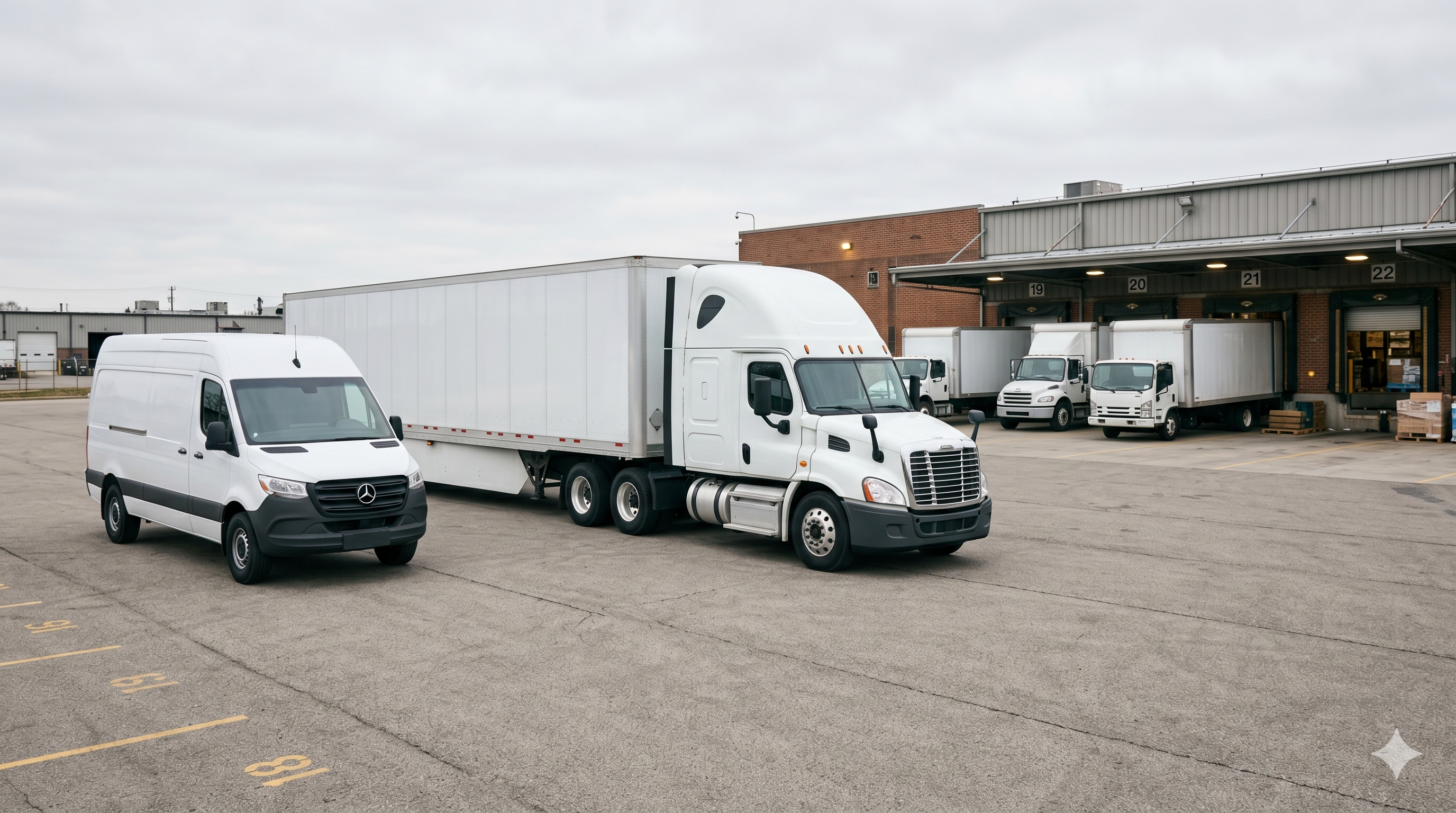
Air freight covers distance fast but adds trucking on both ends, plus cargo processing time at the airport. The driver pickup at origin, the airport screening, the flight, and the trucking on the destination side all add hours. For small parts moving long distances, air can still beat trucking. For most oilfield loads, hotshot ground trucking is faster door-to-door.
Standard FTL trucking moves the freight direct but assumes a full-trailer load and an ordinary lane. A wellhead or compressor station isn't an ordinary lane. There's no dock, no paved parking, and the receiving site has its own access protocol that a generic carrier hasn't navigated before.
Hotshot trucking handles all of it. One truck, one driver, direct from the supplier or yard to the rig, well pad, or facility. Sized to the load. Equipped for the access.
The Loads That Define Oilfield Hotshot
Across active operations, the same load types come up over and over:
Drill bits and downhole tools. Replacement bits, stabilizers, mud motors, downhole assemblies. Small enough for a sprinter van. Critical enough that twelve hours of delay costs more than the freight.
Pump components and BOP parts. Mud pump liners, valves, blowout preventer rams, bonnets, seals. Safety-critical and often urgent after an inspection hold or equipment failure.
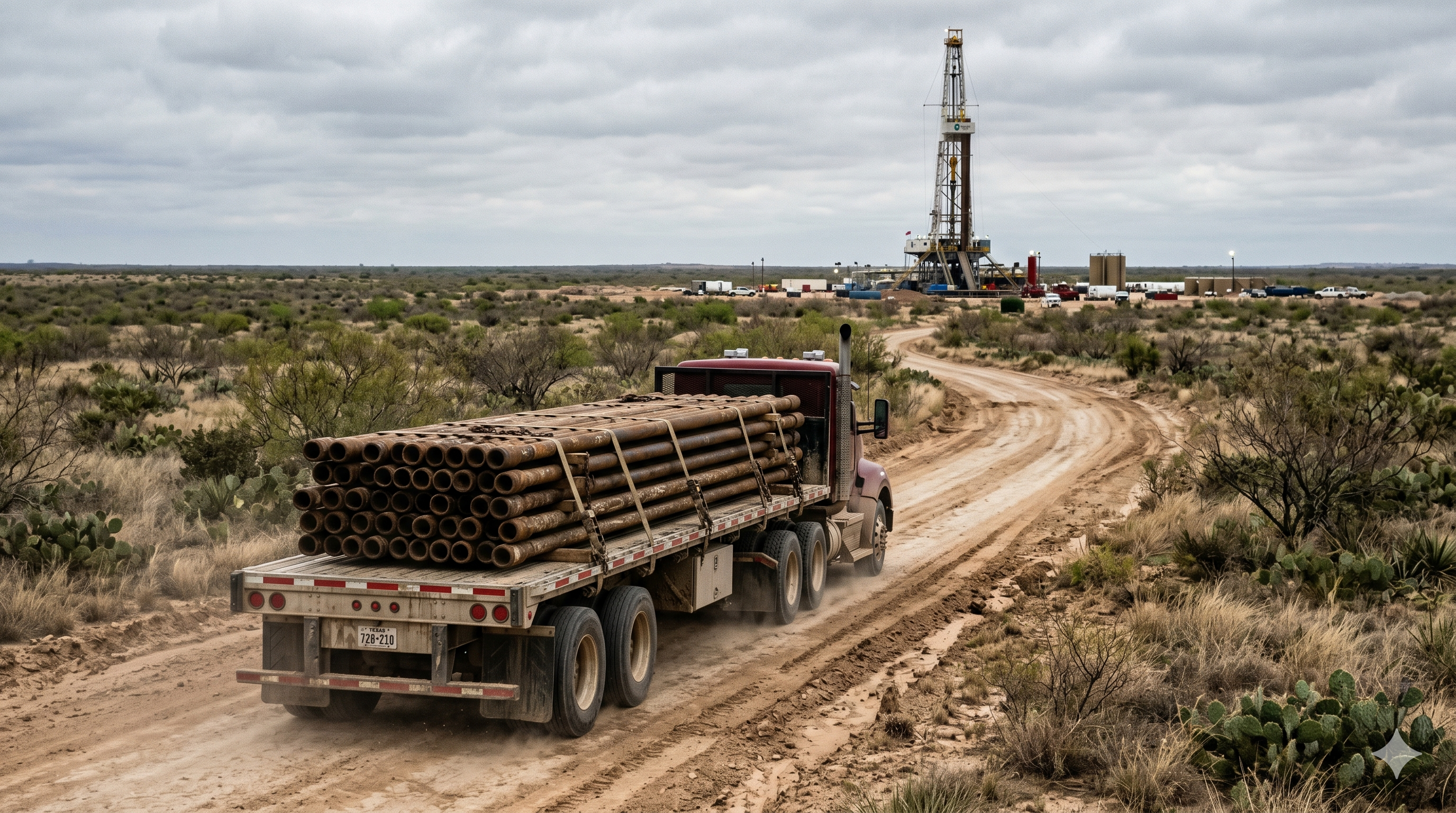
Pipe and pipeline supplies. Pipe sections, couplings, clamps, welding supplies for pipeline construction and maintenance crews working far from any distribution center.
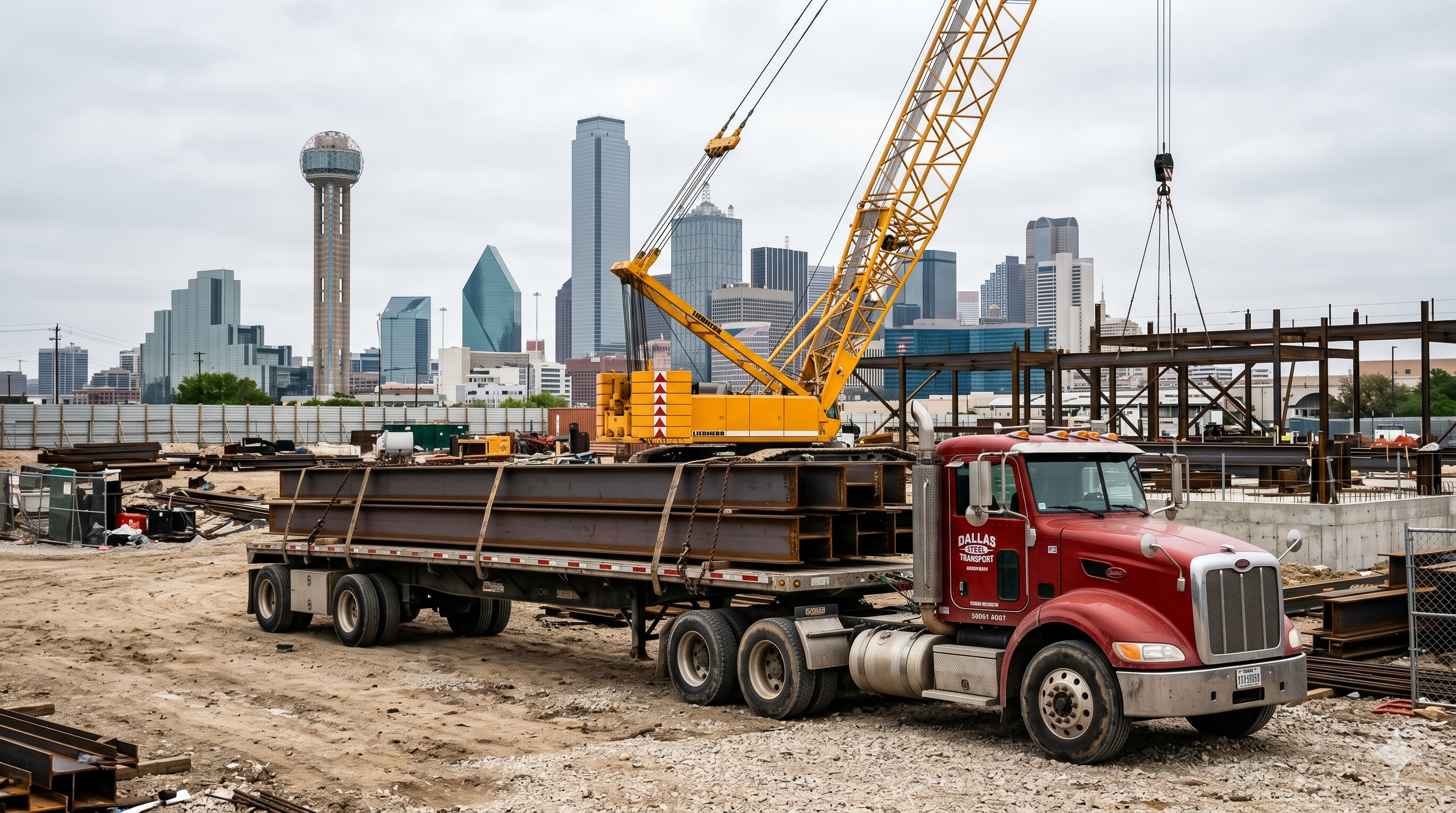
Generators and compressors. Portable power generation, air compressors, electrical components. Heavy enough to require flatbed or large straight truck.
Wellhead components. Tree valves, chokes, pressure-control equipment. Often urgent during workovers or pressure events.
Safety equipment and PPE. H2S monitors, fire suppression, breathing apparatus. Shortages trigger work stoppages, making these loads some of the most time-sensitive freight in the oilfield.
Why Site Access Matters as Much as Speed
Delivering to a drilling rig is not delivering to a warehouse. Lease roads. Locked gates. Site-specific check-in. Unpaved access. Unloading at locations without standard dock infrastructure.
A hotshot trucking provider that doesn't know how to handle field access creates as many problems as the LTL it replaced. Drivers stuck at locked gates. Trucks that can't make the turn into a tight pad. Loads dumped at the lease entrance because the truck couldn't reach the site.
The carriers that work in oil and gas understand the access piece. Their drivers handle gate check-ins, navigate unpaved roads, and coordinate with the field superintendent on staging. The asset is matched to the access, not just the load.
Why Timing Is the Whole Game
Every other capability in oilfield hotshot — fleet diversity, network coverage, GPS tracking, single point of contact — exists to serve one outcome: the part lands at the site before the cost of waiting exceeds the cost of moving it.
Sometimes that means a sprinter van running 320 miles overnight to a Permian rig. Sometimes it means a flatbed dispatched on a Sunday with a generator on the deck and a permitted route across two states. Sometimes it means a team driver for coast-to-coast at 1,000+ miles in 24 hours.
The numbers are different on every load. The principle is the same. In oil and gas, freight isn't a commodity. It's a downtime mitigation tool.
OnPoint runs hotshot and expedited freight for oil and gas operations across North America. Asset-backed fleet plus a vetted carrier network for overflow capacity and specialized equipment. 24/7 dispatch, every day of the year. USDOT 4293968. MC 1715796. When the rig is burning dayrate and the part is sitting hundreds of miles away, that's the call.