What Is Hot Shot Trucking?
Hot shot trucking is expedited, dedicated freight delivery using smaller commercial vehicles — typically sprinter vans, box trucks, straight trucks, or pickup-and-gooseneck trailer combinations. Unlike standard LTL shipping, where your freight shares space with other shippers' loads and passes through multiple distribution hubs, hot shot gives your cargo its own vehicle. One pickup. Non-stop. Point to point.
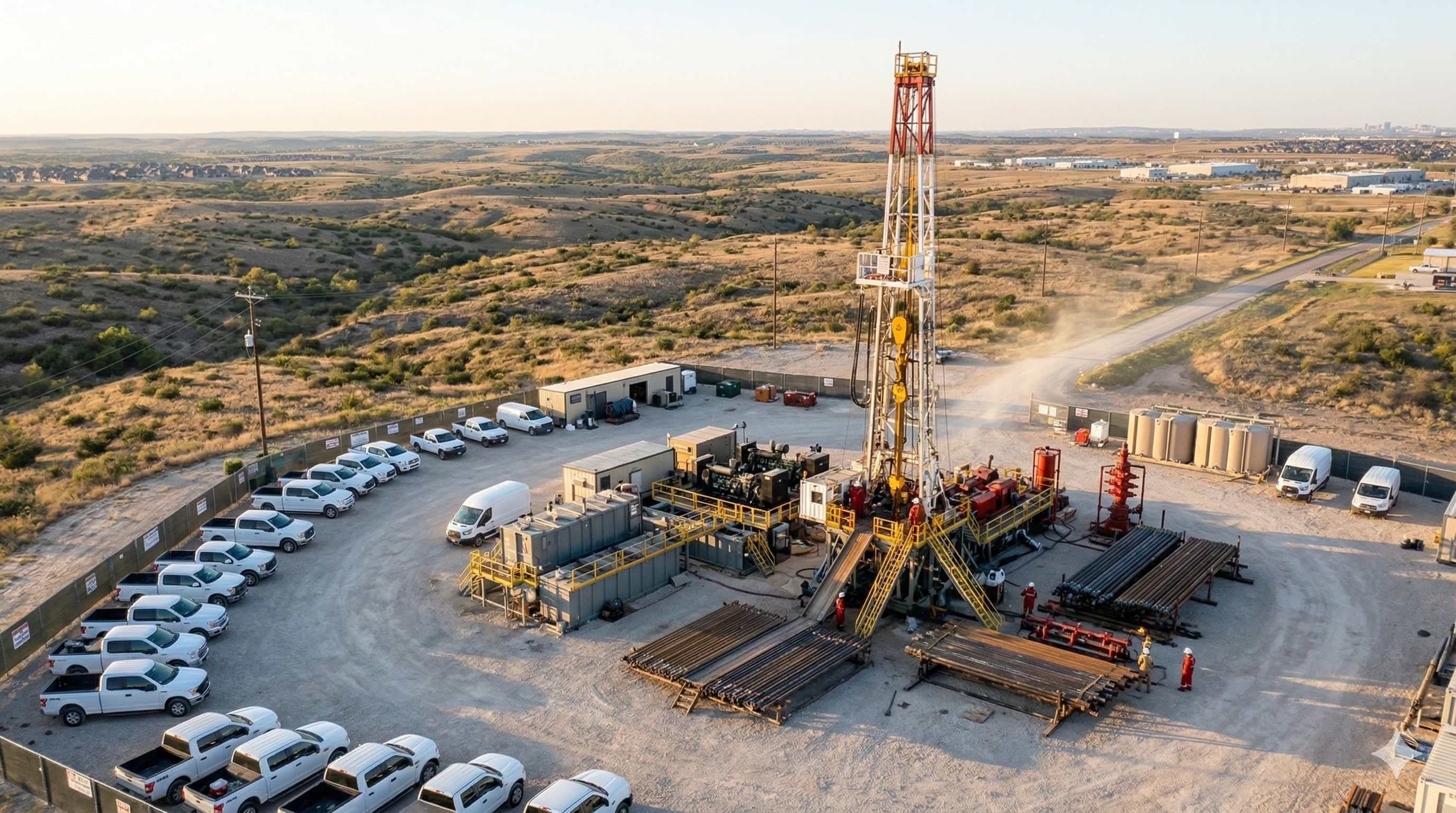
The term "hot shot" dates back to the oil patch, where operators needed critical parts and equipment delivered fast — no waiting for a full truck, no warehouse stops, no delays. Today the model has expanded across virtually every industry that moves time-sensitive goods, but the core premise hasn't changed: your freight is the only freight on that truck, and it leaves when you need it to leave.
"Hot shot trucking is what happens when waiting for a truckload to fill isn't an option."
How Hot Shot Trucking Works
The process is straightforward — which is most of the point. Here's what a typical hot shot shipment looks like from start to finish:
- You request a quote — by phone, form, or email. You provide origin, destination, freight details (weight, dimensions, commodity), and your timeline.
- A carrier is dispatched — OnPoint matches your load to the right vehicle within minutes. Own fleet for most runs; vetted carrier network when needed for surge or specialty capacity.
- Direct pickup — the driver goes directly to your location. No terminal drop-off, no consolidation warehouse.
- Non-stop delivery — your freight rides alone to the destination. No cross-docking, no hub stops, no other shipper's freight getting in the way.
- Real-time tracking — you can reach the dispatcher or driver directly at any point. Status updates throughout transit.
- Delivered to destination — direct to job site, dock, facility, or wherever you need it.
Total time from call to truck rolling is typically under two hours for local and regional loads. For same-day emergencies, we've dispatched in under 30 minutes.
Hot Shot vs. LTL vs. Full Truckload
Hot shot trucking isn't the right solution for every load — but it's the right solution when speed and certainty matter more than rate-per-pound. Here's how the three main freight modes compare:
| Hot Shot | LTL | Full Truckload | |
|---|---|---|---|
| Speed | Same-day to 1–2 days | 3–7 business days | 2–5 days |
| Dedicated vehicle | Yes — your load only | No — shared trailer | Yes |
| Hub stops | None — direct | 2–5+ terminal stops | None |
| Damage risk | Very low | Higher (multiple handlings) | Low |
| Load size | Any — from 1 box to 48,000 lbs | Partial loads only | Full trailer required |
| Cost structure | Per-mile, dedicated rate | Per-CWT, freight class | Per-mile or flat rate |
| Best for | Urgent, time-critical freight | Non-urgent small loads | High-volume, planned loads |
The cost difference between LTL and hot shot often looks significant on a per-pound basis. But when you factor in the cost of downtime, production delays, or lost contracts caused by a late LTL shipment, hot shot frequently comes out ahead on total business impact.
What Can a Hot Shot Truck Haul?
Hot shot trucking is flexible by design. Common freight types include:
- Oil field equipment — drill bits, BOP components, pipe, wellhead parts
- Construction materials — steel beams, lumber, roofing equipment, generators
- Industrial machinery — replacement parts, motors, pumps, compressors
- Manufacturing components — production-critical parts that stop a line when missing
- Retail and e-commerce — rush palletized inventory to distribution centers
- Temperature-sensitive goods — pharmaceuticals, food products (reefer units available)
- Aerospace and defense components — high-value, high-care freight
- Agricultural equipment — tractor parts, irrigation components, chemical supplies
- Event and trade show freight — exhibit materials, AV equipment, display systems
If it fits on a truck and you need it delivered with certainty, hot shot can handle it. The main limit is size — loads over 48,000 lbs or oversized freight requiring special permits may take additional coordination time.
We haul everything from a single critical parts box on a sprinter van to full flatbed loads of steel. If you're not sure which vehicle fits your freight, call us — we'll sort it out on the phone in under five minutes.
Hot Shot Vehicle Types
Hot shot trucking isn't one vehicle — it's a family of vehicles matched to the freight. OnPoint operates six vehicle classes:
Sprinter Vans
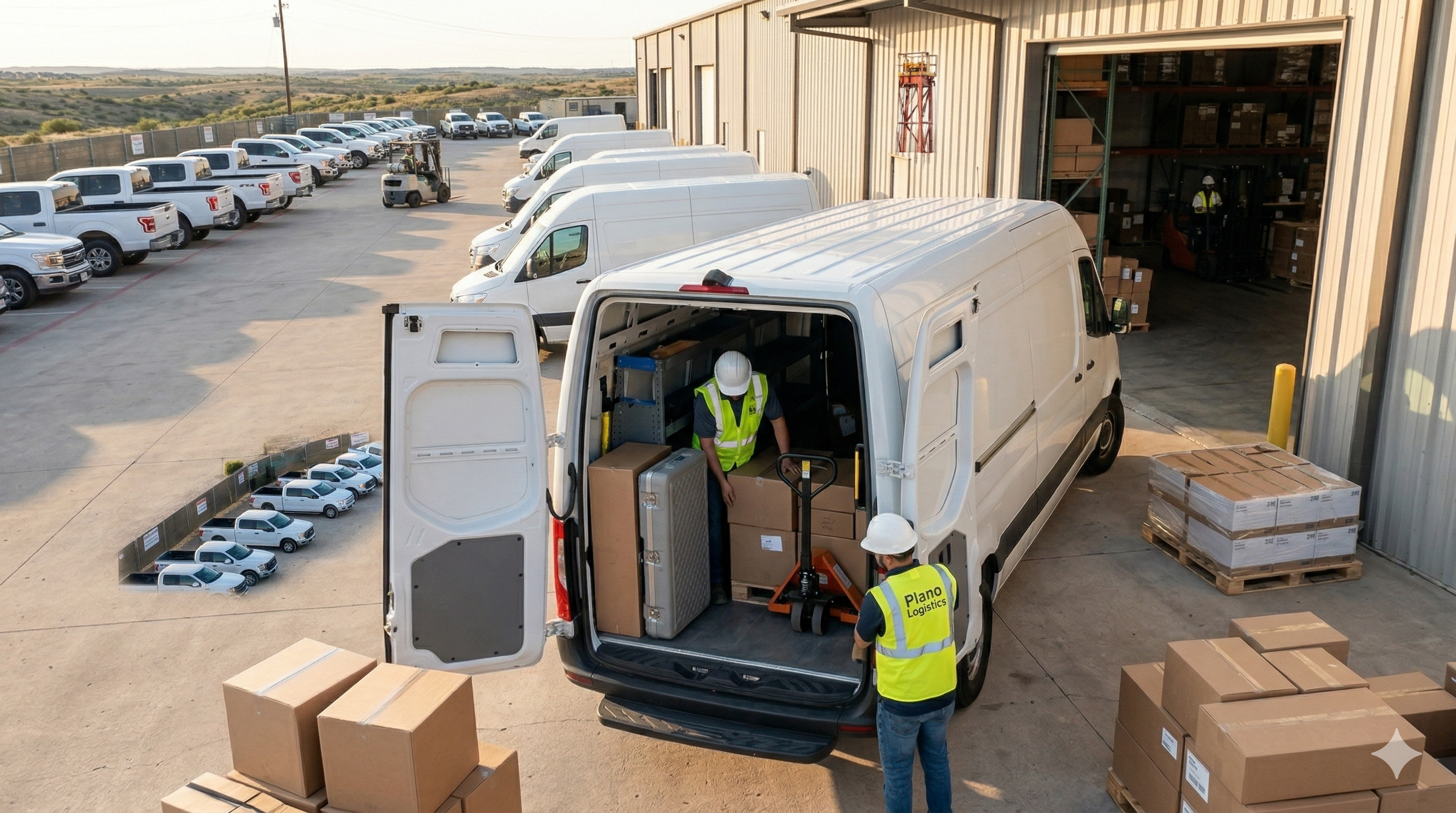
Up to 3,500 lbs, 12 ft cargo area. The fastest option for small, urgent loads — high-value parts, documents, medical equipment, samples. Fits anywhere a delivery van can go.
Box Trucks (24 ft)
Up to 12,000 lbs, enclosed and weatherproof. Ideal for retail freight, electronics, appliances, trade show materials — anything that needs to be protected from the elements.
Straight Trucks (26 ft)
Up to 20,000 lbs. The workhorse for mid-sized freight — industrial equipment, construction materials, multiple pallet loads that don't quite need a semi.
Flatbed Trucks
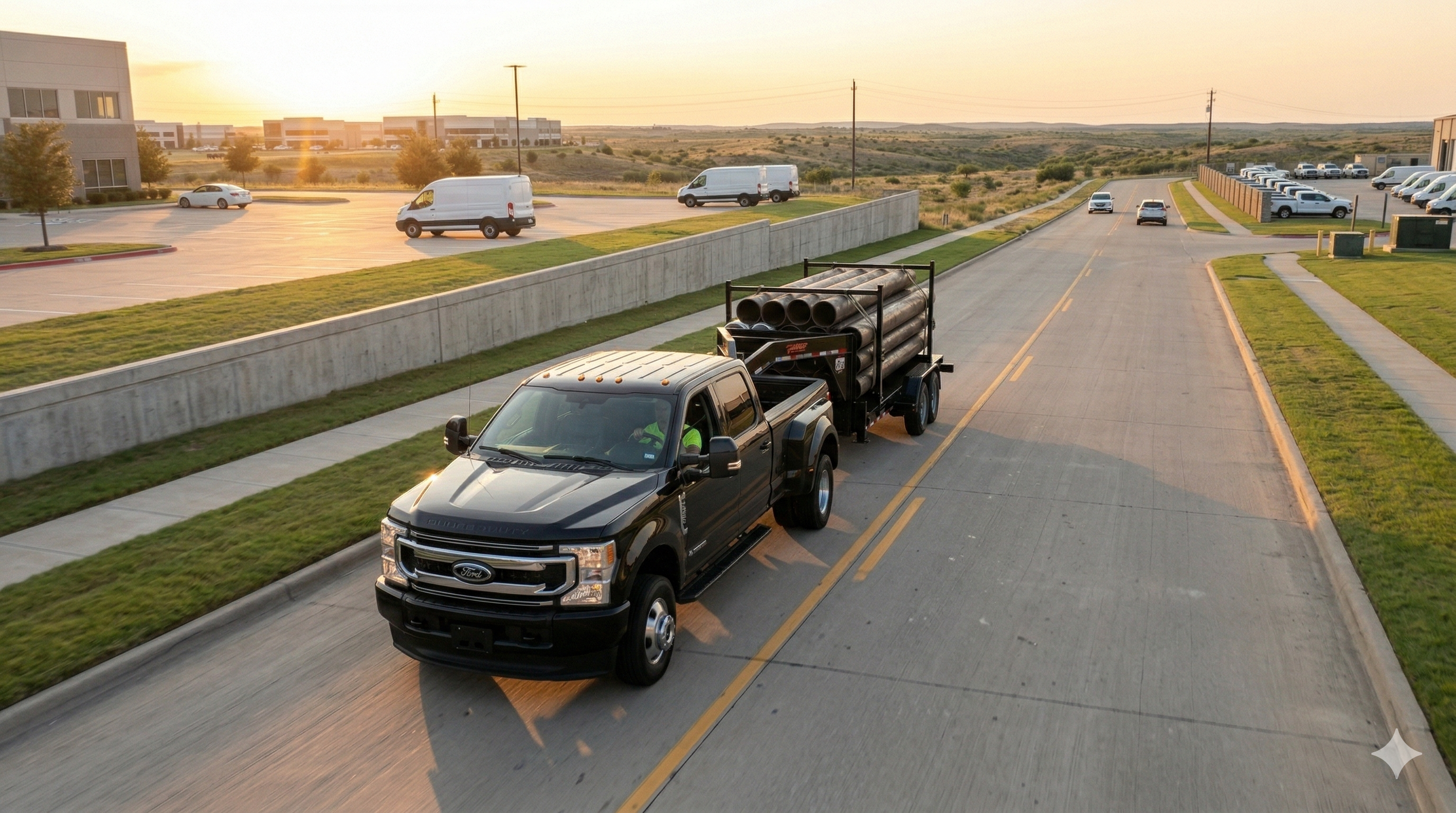
Up to 48,000 lbs, 48 ft deck. Steel, pipe, machinery, oversize equipment — anything that needs to be loaded from the side or top. The original hot shot setup for oil field freight.
Dry Vans (53 ft)
Up to 45,000 lbs, fully enclosed. When you have a full trailer's worth of freight and need it moved on a dedicated, direct basis — no LTL consolidation.
Refrigerated Trailers (Reefers)
Temperature-controlled freight from 34°F to 70°F. Pharmaceuticals, perishable food, temperature-sensitive chemicals — same dedicated service with climate control.
How Much Does Hot Shot Trucking Cost?
Hot shot trucking rates are primarily driven by four factors: distance, vehicle type, freight weight, and urgency. Most hot shot loads are priced per loaded mile with adjustments for fuel, after-hours dispatch, and any special handling requirements.
Typical Rate Ranges (2026)
- Sprinter Van: $1.50 – $2.50 per mile
- Box/Straight Truck: $2.00 – $3.00 per mile
- Flatbed / Dry Van: $2.50 – $4.00 per mile
- Minimum charge: Typically $150–$300 for short-haul loads under 100 miles
These are market ranges — your actual rate depends on the specific route, current fuel prices, load characteristics, and how quickly you need the truck. Emergency same-day loads dispatched in under two hours carry a premium; loads that allow a 24–48 hour window can often come in closer to the low end of the range.
"The real question isn't 'is hot shot cheaper than LTL?' It's 'what does a missed delivery cost your operation?'"
OnPoint is a carrier — not a broker stacking margin on top of a carrier rate. When you quote with us, you're getting the actual cost to move your load, not a brokerage markup. That difference shows up in your rate.
When Should You Use Hot Shot Trucking?
Hot shot makes sense when one or more of the following is true:
- Time is the constraint — a production line is down, a job site is stopped, a permit window is closing, or a customer commitment is on the line
- The freight is too valuable to risk in LTL handling — high-value components, precision equipment, or fragile goods that suffer from terminal-to-terminal transfers
- The load is too small for a full truckload but too urgent for LTL transit time — the most common hot shot scenario
- The destination isn't well-served by LTL — remote job sites, oil fields, construction locations, or anywhere a standard freight terminal doesn't cover directly
- You need certainty on delivery time — with LTL, estimated delivery windows are exactly that: estimates. Hot shot gives you a committed arrival
If your freight isn't particularly time-sensitive, weighs over 40,000 lbs, and fits a standard LTL transit window — regular freight is probably the right call. Hot shot is for when "good enough" isn't good enough.
How OnPoint Handles Your Freight
OnPoint is an asset-based carrier first. We own and operate our own fleet in Dallas, Texas, giving us direct control over dispatch, driver quality, and vehicle maintenance. When our own fleet is at capacity or when a load requires geographic coverage beyond our home territory, we extend through a pre-vetted carrier network — every carrier is checked for insurance, safety rating, and performance history before they touch a load.
Every load is assigned a dedicated dispatcher who stays on it from booking to delivery. You get a direct line — not a call center queue. If something changes en route, you hear about it immediately. No automated updates and no voicemail runaround.
We're open 24/7/365 because freight emergencies don't follow business hours. If you've got a load that needs to move at 2am on a Sunday, the answer is the same as noon on a Wednesday: we'll have a rate and a truck.