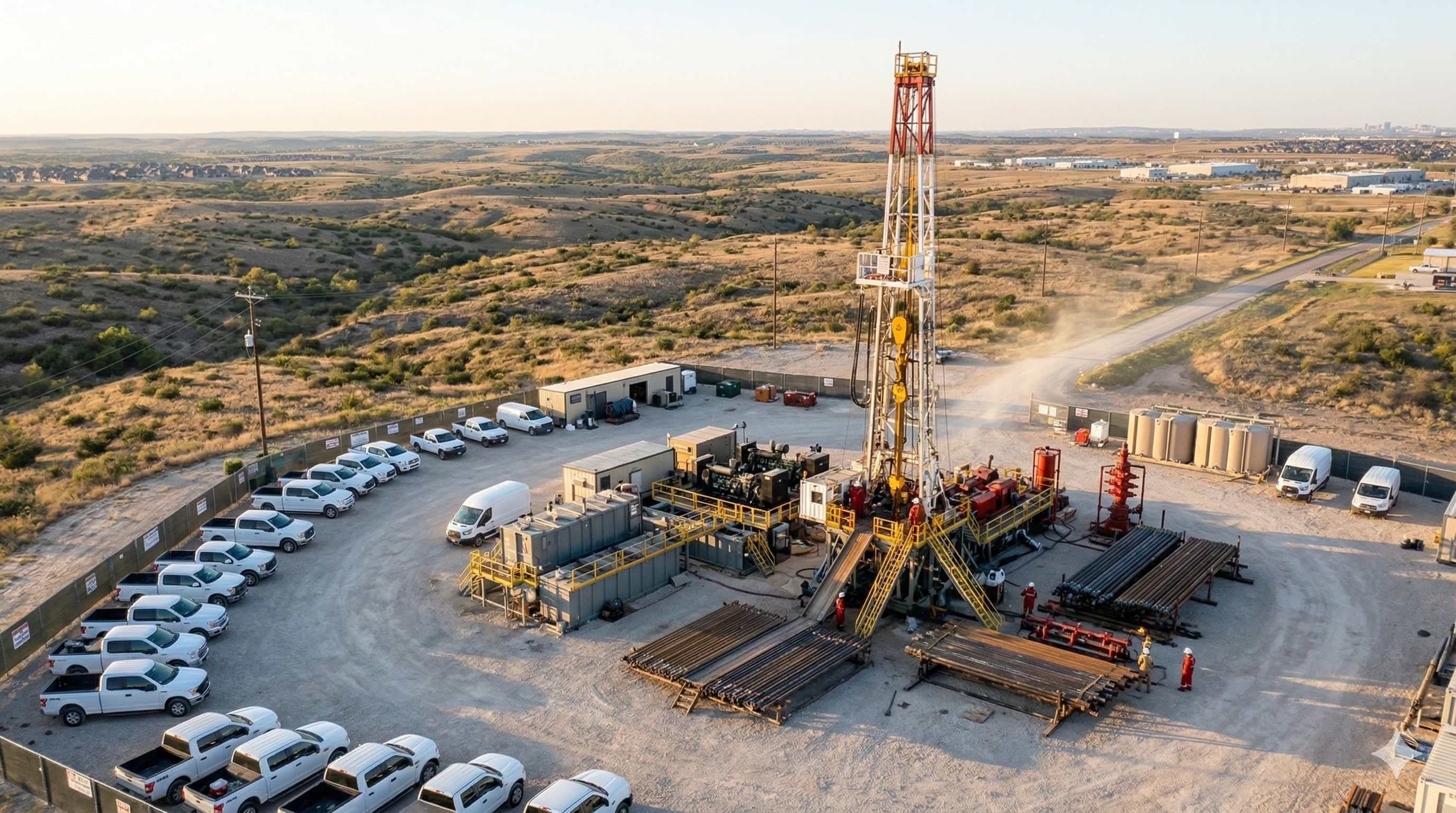
In most freight situations, a one-day delay is an inconvenience. In oil and gas, a one-day delay at the wrong moment can cost more than the entire freight budget for the quarter. Drilling rigs run on dayrate — the meter doesn't stop when operations halt waiting on parts. Production facilities burning standby cost on every idle hour. Crew time, equipment rental, and contract penalties stack on top of lost production.
Hot shot trucking exists, in large part, because the oilfield created the demand for it. Standard freight networks — built around terminal consolidation, scheduled runs, and cost-per-pound efficiency — were never designed for an industry where the cost of waiting can exceed the cost of shipping by an order of magnitude.
The Permian Basin and Texas Energy Corridor
OnPoint runs out of Dallas, Texas — which puts us at the operational center of North American oil and gas freight. The Permian Basin, Eagle Ford, and Gulf Coast are the highest-volume lanes in our network. We've run these routes long enough to know the terrain, the access protocols, and the suppliers.
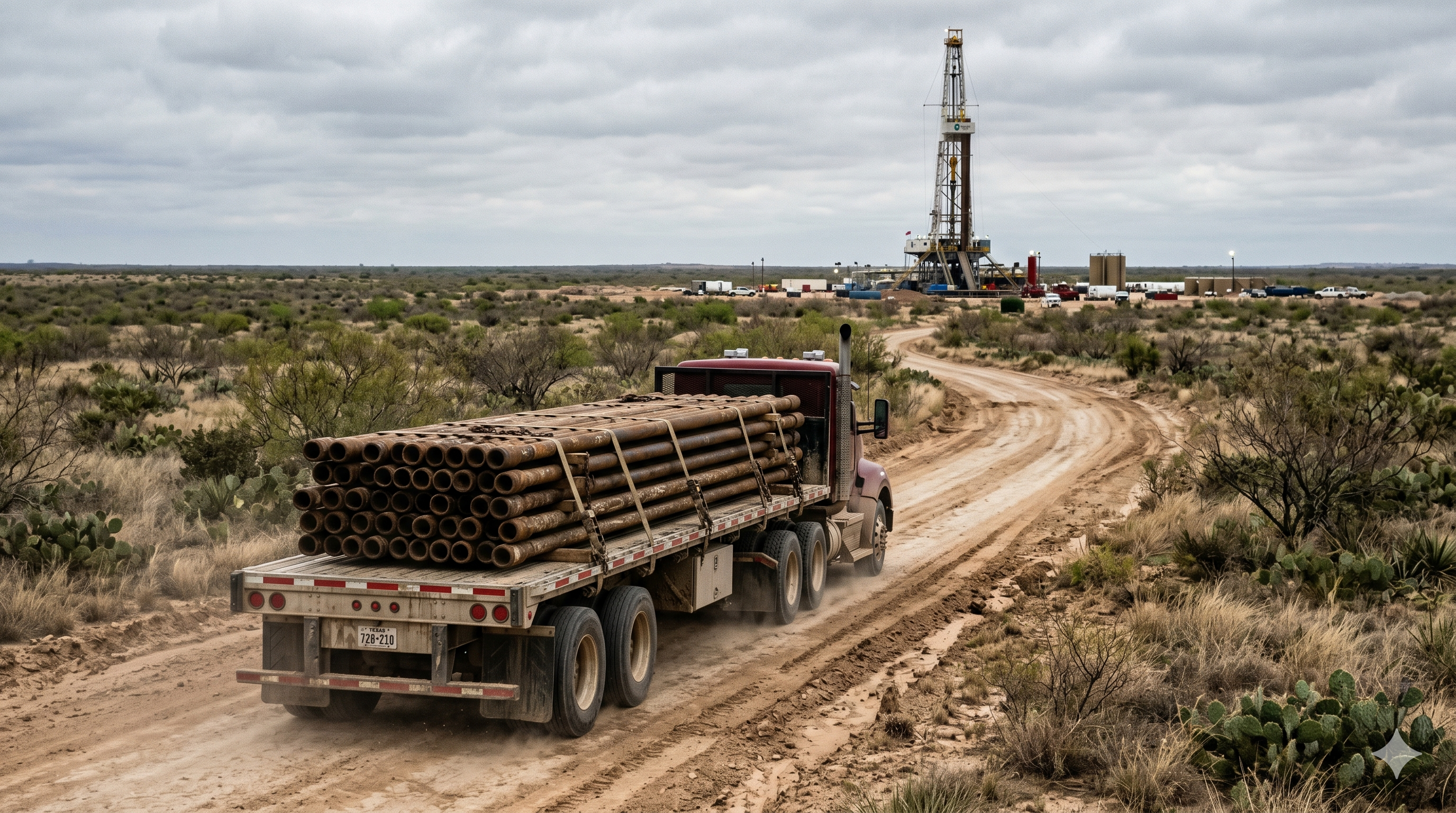
That matters more than it might seem. A carrier unfamiliar with West Texas lease roads, remote pad access, and oilfield gate procedures creates delays even after the freight is loaded. The last 15 miles to a rig site can take as long as the preceding 300 if the driver doesn't know what they're doing or can't get cleared through the gate.
We know the territory. Our drivers handle field check-ins, navigate unpaved lease roads, and coordinate with field superintendents on staging. The freight gets to the site — not to the lease entrance.
What the Oilfield Calls For
Hot shot freight in oil and gas ranges from a single critical component on a sprinter van to a flatbed load of pipe or heavy equipment. The common thread isn't the size of the load — it's the consequence of it not arriving.
The loads that move most often:
- Downhole tools and drill bits — replacement bits, mud motors, stabilizers, measurement-while-drilling equipment. Small enough for a van. Critical enough that every hour of delay burns dayrate.
- BOP components and valve assemblies — blowout preventer parts, tree valves, chokes, pressure-control components. Safety-critical, often urgent after an inspection finding or equipment event.
- Pump parts and compressor components — mud pump liners, pistons, rod packing, compressor seals and bearings. Production stops when these fail.
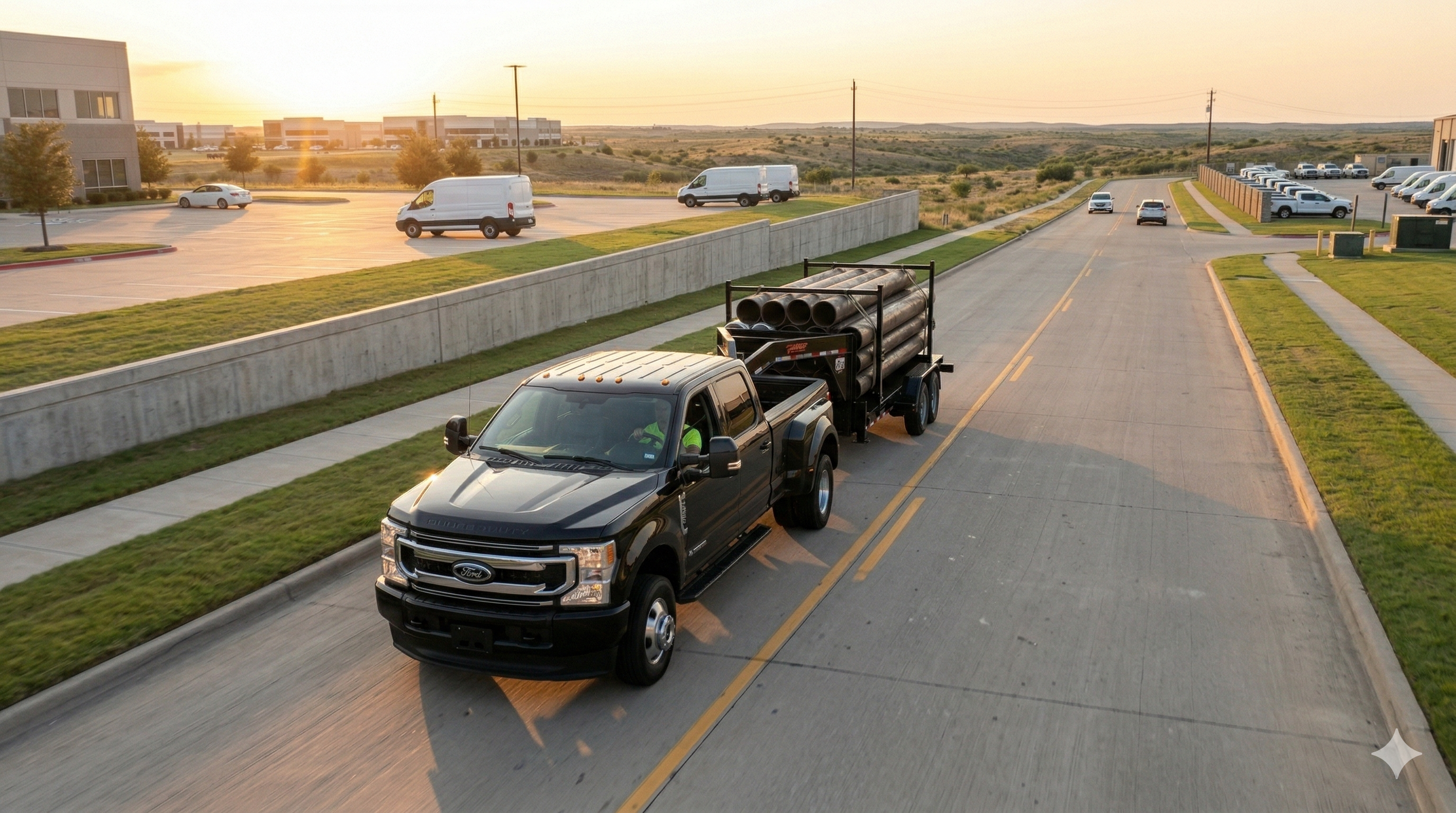
- Pipe, fittings, and welding supplies — pipeline construction and maintenance crews far from distribution points. Flatbed or straight truck depending on volume.
- Safety and PPE shortages — H2S monitors, breathing apparatus, fire suppression equipment. OSHA shortages stop work. These loads go with the same urgency as mechanical parts.
- Generators and portable power — when grid power isn't available or primary generators fail. Heavy flatbed loads, often on short notice.
Why 24/7 Dispatch Isn't Optional
Oilfield emergencies don't follow business hours. Equipment fails on Saturday night. A drill bit comes up short on a Sunday morning pour. A BOP inspection hold at 11pm requires parts by 6am to avoid losing a drilling window.
A carrier that closes at 5pm on Friday is not an oilfield freight partner. They're a standard freight carrier that will occasionally help with oilfield loads when it's convenient.
OnPoint dispatches 24/7, every day of the year. Calls at 2am get the same response as calls at 2pm — a rate and a truck. We don't have an after-hours voicemail queue. We have dispatchers.
"The freight charge for getting a part on-site fast is almost always smaller than the cost of waiting another twelve hours at dayrate."
Matching the Asset to the Load and the Site
One of the most common mistakes in oilfield freight is over- or under-vehicling a load. Sending a full flatbed for a sprinter van load burns margin. Sending a sprinter van for a load that needs a flatbed means calling back for a second truck — and losing the time you were trying to save.
The right vehicle for oilfield freight depends on three variables: the load size and weight, the loading and unloading conditions at the site, and the road access from the highway to the delivery point. A 53-foot trailer won't make the turn into every pad. A straight truck with a liftgate handles deliveries that a flatbed can't. Matching the asset correctly on the first call is what separates carriers that know the oilfield from ones that don't.
OnPoint's fleet covers the full range — sprinter vans for critical small parts, box trucks and straight trucks for enclosed mid-size loads, flatbeds for pipe, structural steel, and heavy equipment, and 53-foot dry vans for full-trailer loads that need to stay enclosed. We tell you which vehicle fits before we dispatch, not after.
What to Tell Dispatch When You Call
The faster you can give us these details, the faster we can confirm a truck and a rate:
- Pickup location and whether it's a supplier, yard, or warehouse
- Delivery location — pad name, well name, lease road access, gate requirements
- What you're shipping — part name, weight, dimensions
- When it needs to leave and when it needs to arrive
- Any access requirements at the delivery site
With that information, we can quote a rate, confirm vehicle availability, and have a driver rolling in under two hours on most Texas routes — often faster.
Asset-backed fleet plus a vetted carrier network. Permian Basin, Eagle Ford, Gulf Coast, and beyond. USDOT 4293968. MC 1715796. 24/7 dispatch, every day of the year. When the rig is waiting, call us.