Shippers ask the same question every week. The freight has to move, and there are three obvious options: hot shot, LTL, or full truckload. Each one is built for a different job. Picking the wrong one costs money or costs time. Here is how to choose.
The Three Options at a Glance
Less-Than-Truckload (LTL) ships freight that doesn't fill a full trailer. Multiple shippers share trailer space. The carrier consolidates loads at terminals, sorts them, and re-routes them toward their destinations. Cost-efficient for small loads. Slow because of consolidation and hub stops.
Full Truckload (FTL) dedicates an entire 53-foot trailer to a single shipper. The truck loads at origin, drives direct, and unloads at destination. Faster than LTL because there are no terminal stops. Cost-efficient when you have enough freight to fill the trailer.
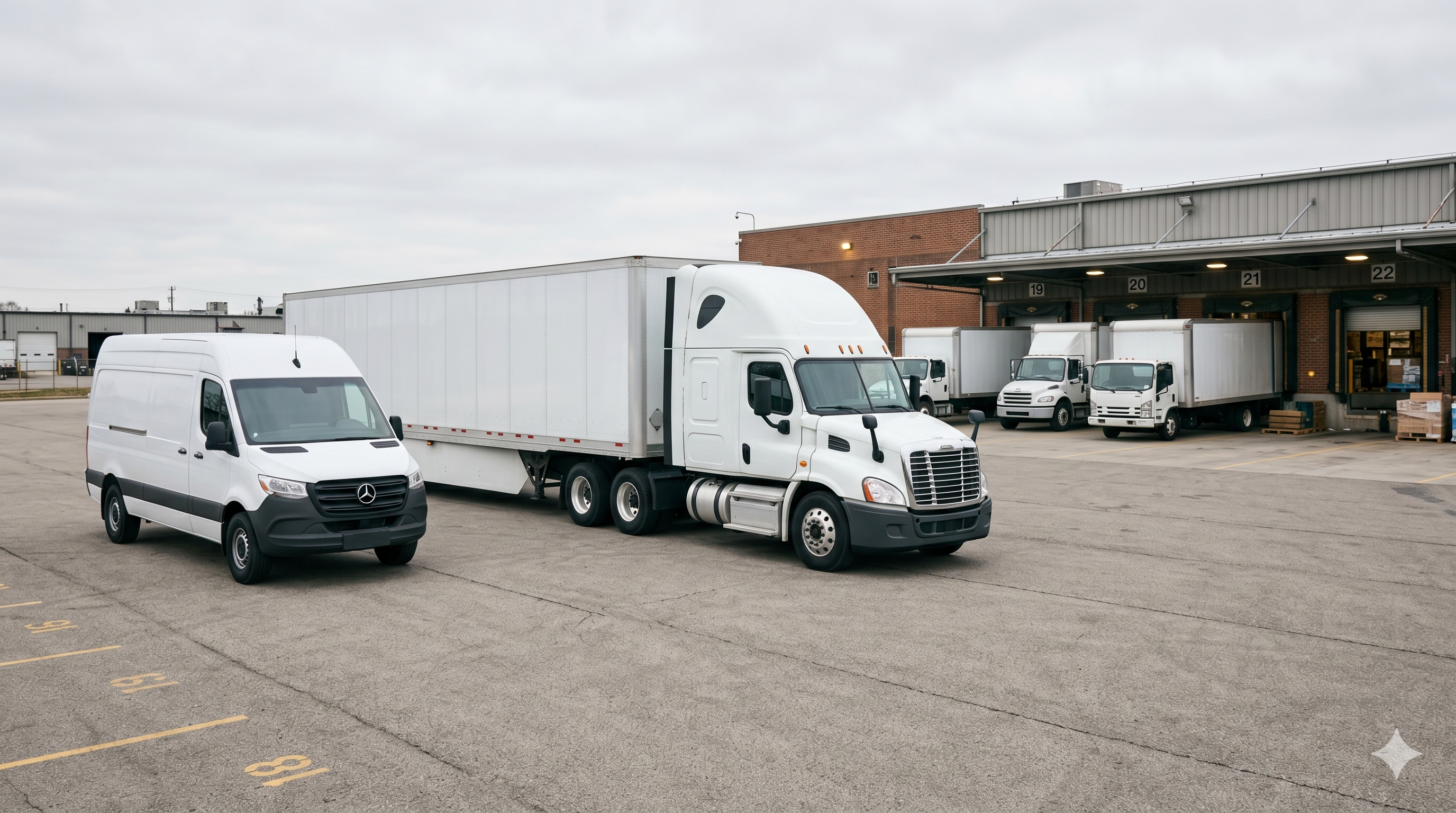
Hot Shot trucking uses smaller, faster vehicles — sprinter vans, box trucks, large straight trucks, sometimes flatbeds — to haul time-critical loads exclusive-use, direct from pickup to delivery. No consolidation. No hub stops. The asset is matched to the load. Faster than both LTL and FTL on most lanes for urgent freight.
When to Use LTL
LTL fits when freight is small, the timeline is flexible, and cost matters more than speed. Typical LTL loads run 1 to 6 pallets and weigh 150 to 15,000 pounds. Transit time on a regional LTL move is typically 2 to 5 business days. Cross-country LTL can run 5 to 10 days.
Use LTL when:
- The load is small (a few pallets or less)
- Delivery date is flexible by several days
- Budget is the top priority
- The freight tolerates terminal handling and consolidation
Avoid LTL when the freight is fragile, high-value, time-sensitive, or going to a location without a standard receiving dock.
When to Use FTL
FTL fits when the load is large enough to fill (or nearly fill) a 53-foot trailer, and the shipper wants direct, exclusive-use transit. Typical FTL loads run 20 to 26 pallets or up to 44,000 pounds.
Use FTL when:
- The load fills or nearly fills a trailer
- Transit time matters but isn't urgent
- The freight needs to ride alone (no shared trailer space)
- Budget allows full-trailer pricing
FTL also makes sense for partial loads when schedule control matters more than cost. Booking a full trailer for a partial load means no consolidation delays. The freight moves direct.
When to Use Hot Shot
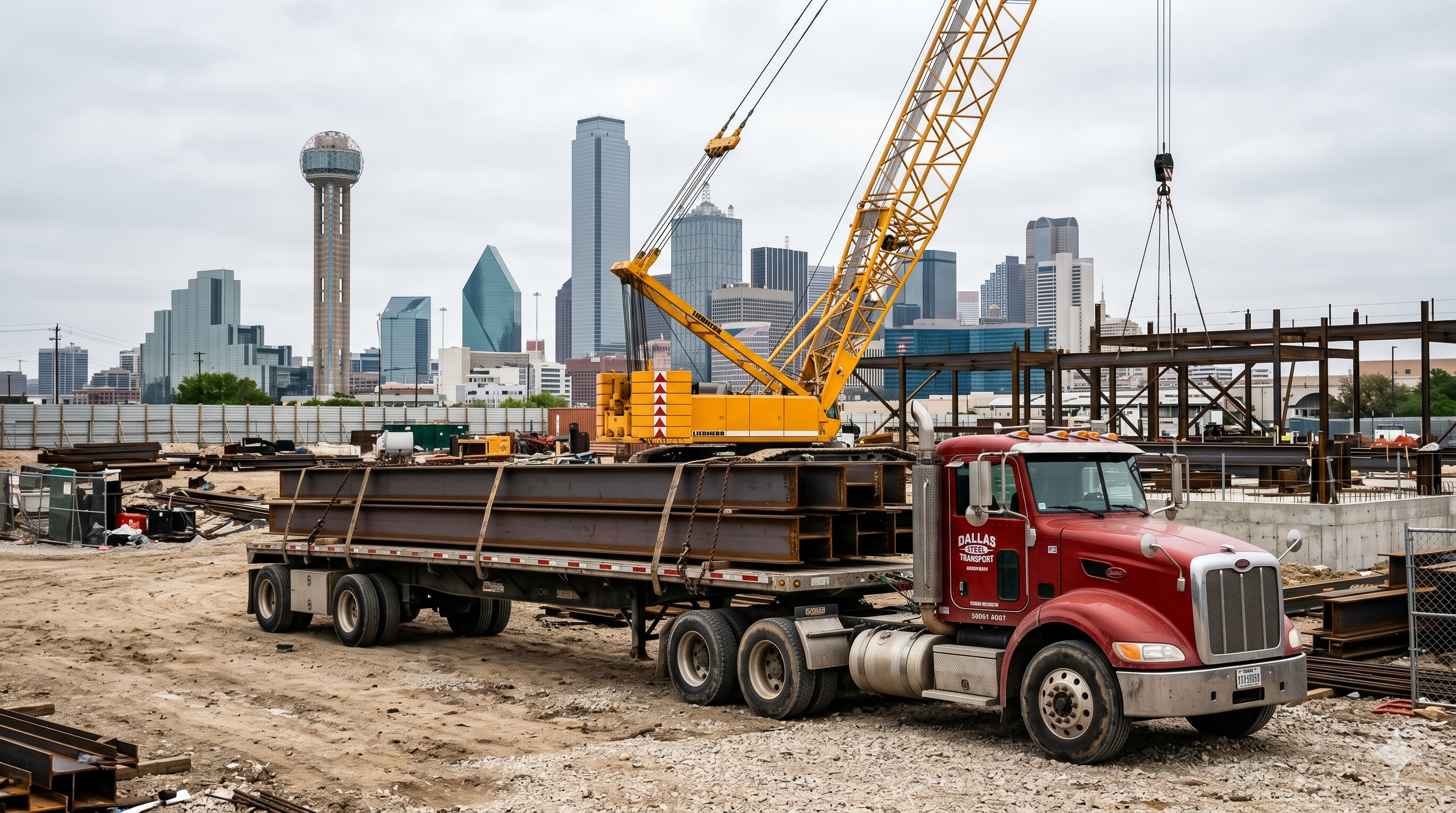
Hot shot fits when the load is urgent, the timeline is tight, and a smaller asset matches the freight. Typical hot shot loads run from a single part on a sprinter van up to 48,000 pounds on a flatbed. Transit time can be hours, not days.
Use hot shot when:
- The freight has to land today, tomorrow, or within a defined window
- A production line, jobsite, or operation is waiting on the load
- The load is too urgent for LTL but doesn't fill an FTL trailer
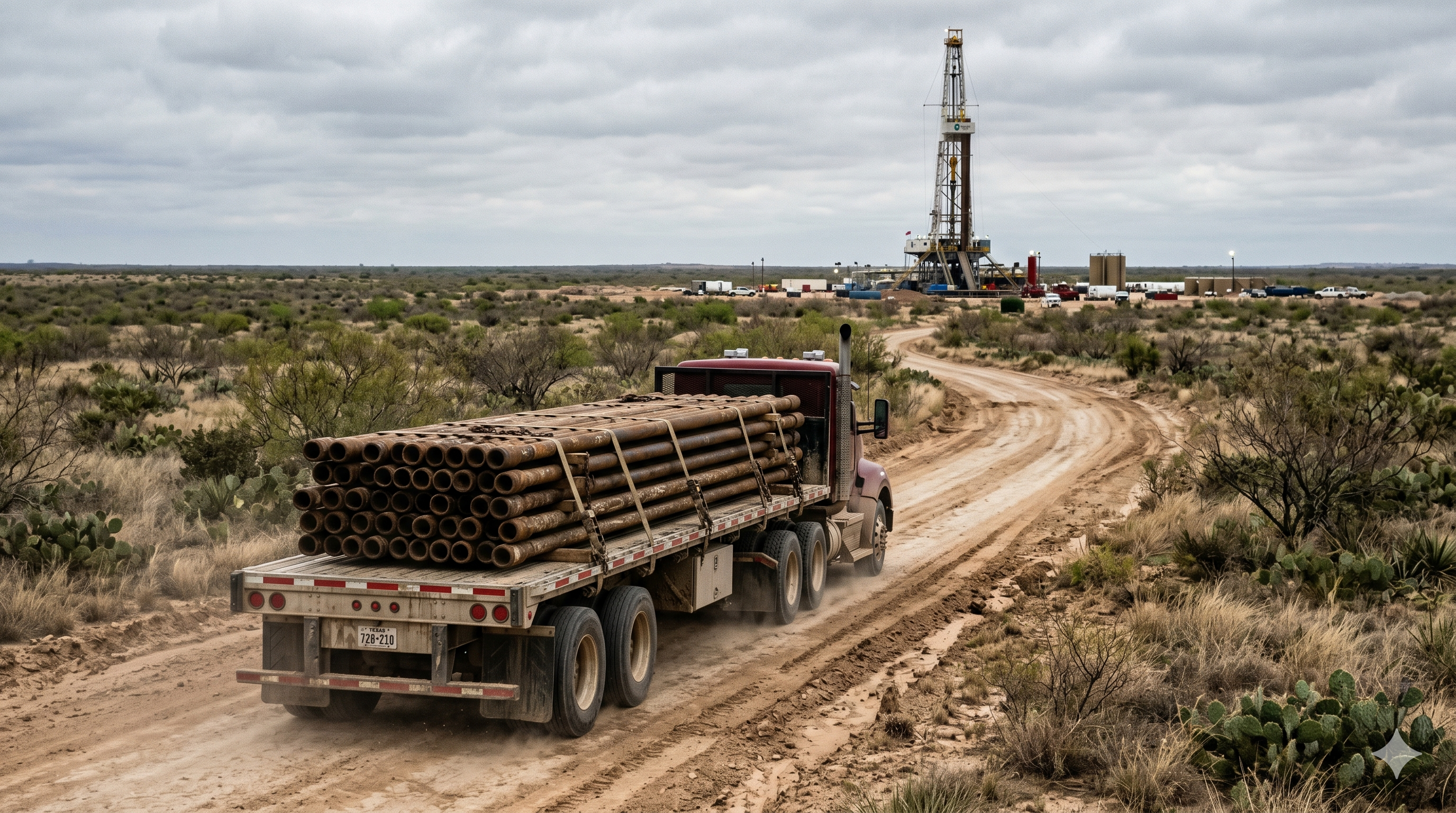
- The destination is a remote or non-dock location (jobsite, well pad, tower)
- Exclusive-use transit and live tracking matter
"Hot shot is the asset of choice when the cost of waiting exceeds the cost of dispatching an exclusive-use truck."
How Pricing Compares
LTL prices per hundredweight (CWT), with adjustments for freight class, distance, and accessorials. Cheapest per pound for small loads.
FTL prices per loaded mile, plus fuel surcharge. Cheapest per pound for full-trailer loads.
Hot shot prices per loaded mile, typically at higher rates than FTL because the vehicle and driver are committed to one load. Higher per-pound cost than either LTL or FTL, but typically lower than air freight or expedited LTL upgrade service.
The honest math: hot shot looks expensive on paper until you compare it against the cost of waiting. A line-down hour at a manufacturing plant or a stalled rig burning standby rate almost always exceeds the cost of an exclusive-use truck.
Quick Decision Framework
- Small load, no rush: LTL
- Full trailer, schedule flexibility: FTL
- Any load, time-critical: Hot shot
- Remote destination, no dock: Hot shot
- Partial load, exclusive-use: FTL or hot shot, depending on size
When to Call OnPoint
OnPoint runs hot shot and expedited freight. Sprinter vans, box trucks, large straight trucks, flatbeds, 53-foot dry vans, and refrigerated trailers. Asset-backed Texas fleet plus a vetted carrier network for overflow capacity. 24/7 dispatch.
If the load is time-critical, exclusive-use, or going to a location standard freight networks won't reach, that's the call.